


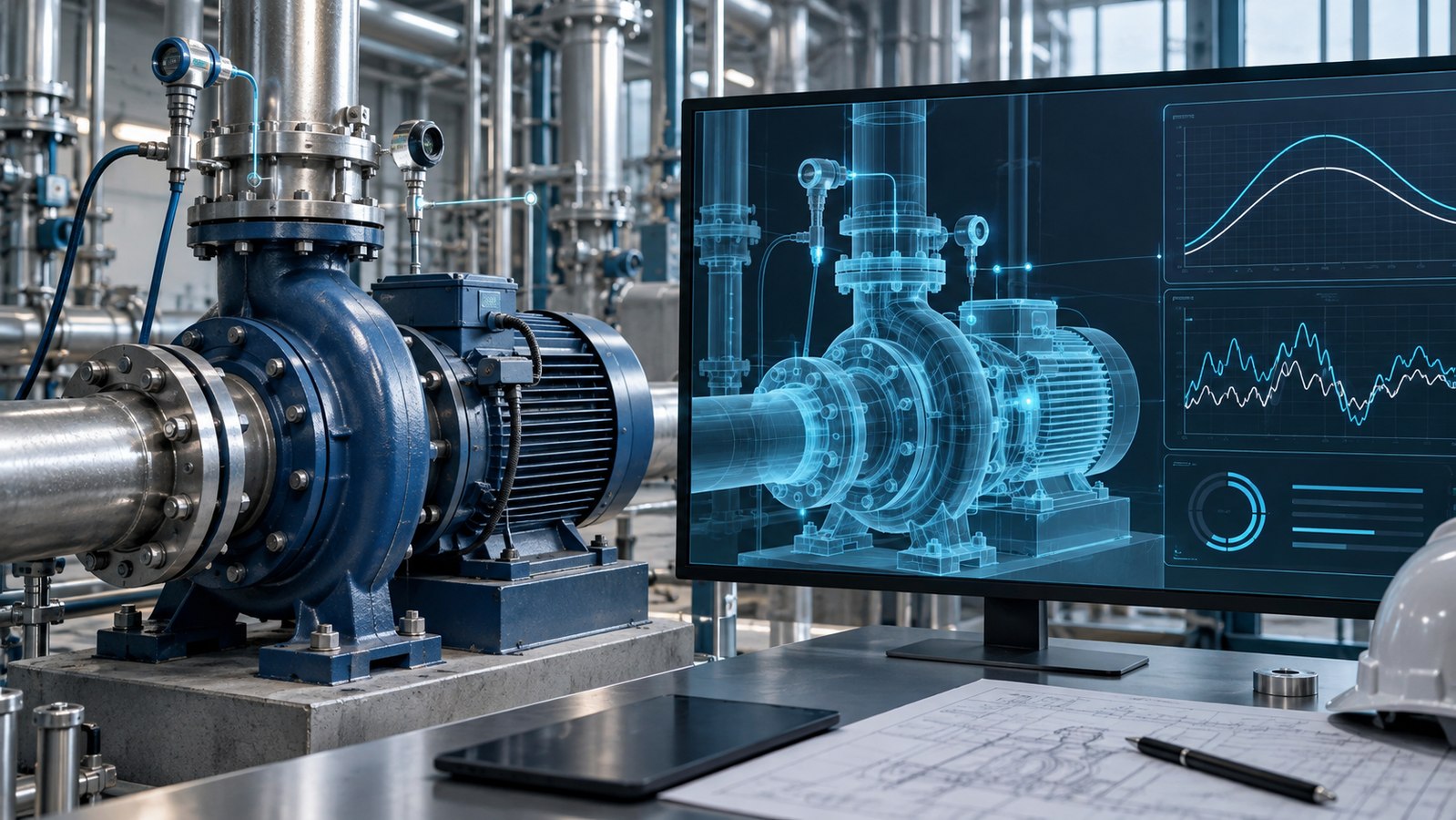
Virtual replicas of assets and processes for scenario testing, staff training and operating mode optimisation. Logistics and production models, with digital twins based on equipment data.
Virtual replicas of physical assets and processes allow scenarios to be tested without putting equipment at risk. Customers can forecast system behaviour, train staff and optimise operating modes before making changes to a real facility.
Models of logistics and production processes and digital twins based on equipment data. Assess capacity, identify bottlenecks and compare scenarios before implementation. Simulators and virtual reality for staff training.
Simulation modelling technologies
Simulation modelling supports research into complex organisational, organisational and technical, and technical systems without full-scale experiments. Models represent experiment participants, including people and technical systems, with algorithmic descriptions of their behaviour and interaction rules. Applications include assessing changes to processes and organisational structures, verifying the operation of complex technical systems, studying information dissemination, and forecasting social processes or military conflicts.
Core capabilities
- Start, stop and resume experiments and control simulation time.
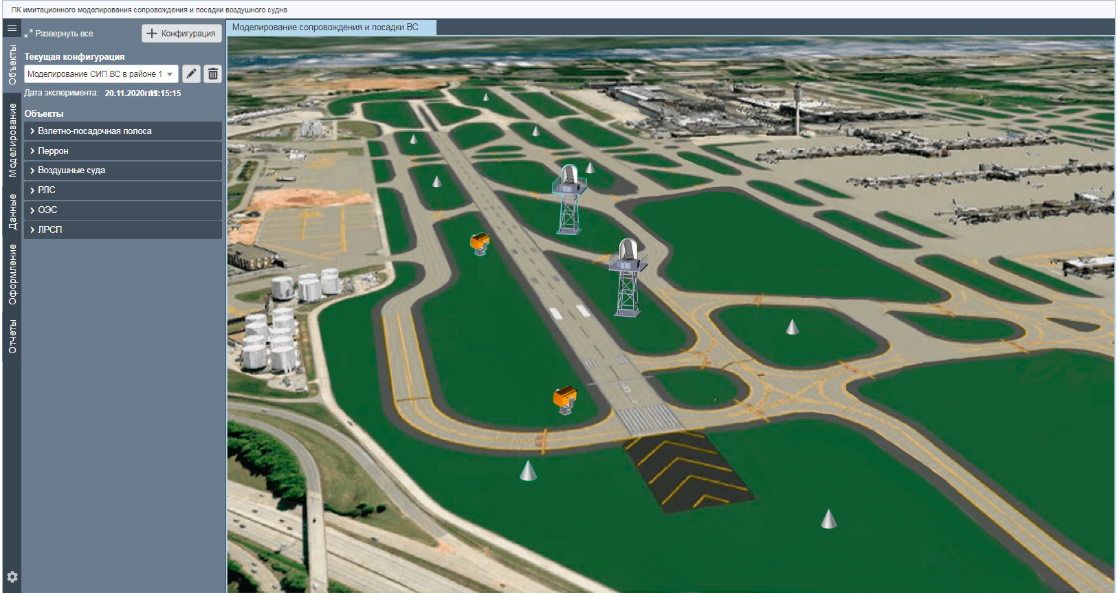
- Change the types of modelled objects without reprogramming the software; for an airfield, these may include aircraft types or radio landing aids.
- Reconfigure and replay experiments with different object locations and influencing factors, such as weather, season and the effects of the sun or moon on optical airfield equipment.
- Visualise experiments and results in a 3D geographic information system supporting OGC, Russian Ministry of Defence and Roskartografiya map formats, and on 2D and 3D charts.
- Automatically run multiple experiments without visualisation to collect statistics, verify probabilistic models, vary object positions according to rules and iterate through dynamic object behaviour scenarios.
- Visualise scenarios with the most relevant characteristics.
- Save results for comparison and generate simulation reports.
Software architecture
The software suite comprises distributed simulation software and a results visualisation application. Both use High Level Architecture (HLA), based on IEEE 1516-2010, to create a shared information environment for the simulation experiment.

Discuss your project
Send your enquiry to